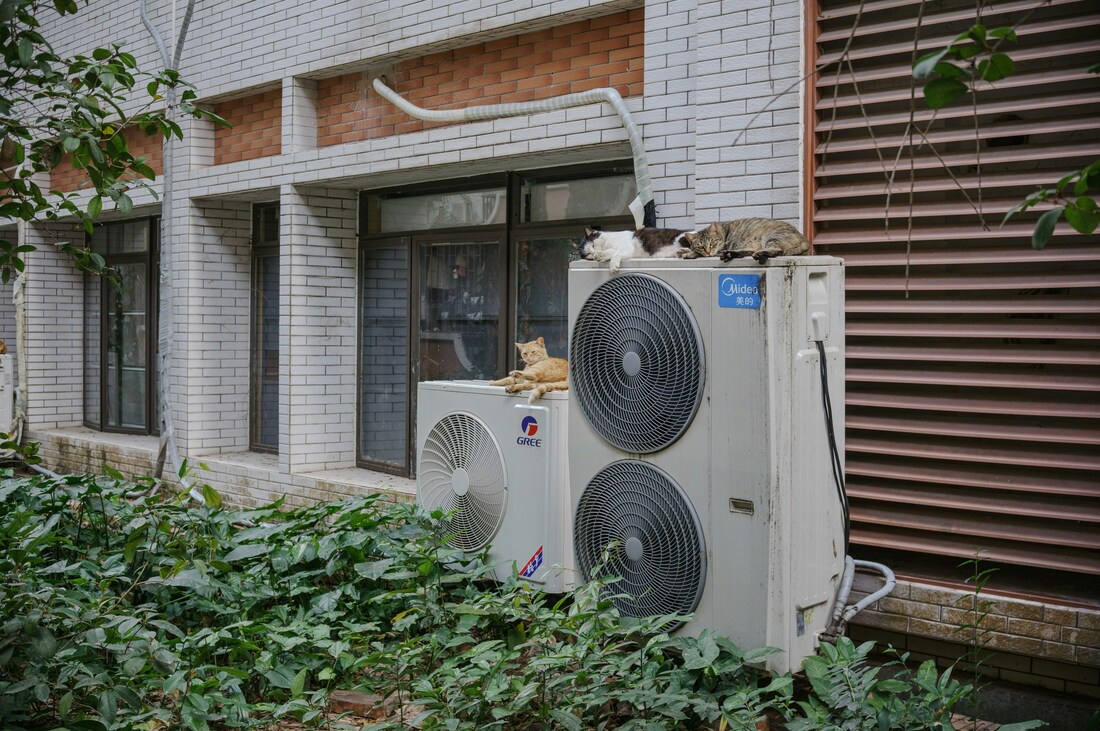


Let's talk about heaters! There are a bunch of kinds, so here's the lowdown:
**1. Electric Heaters**
These use electricity to make heat. Simple!
* **Fan Heaters/Blowers:** These have a fan that blows air over a hot thingy.
* **Oil-Filled Radiators:** They heat oil inside, which then keeps the warmth around.
* **Convection Heaters:** They heat up the air, and it moves around the room.
* **Infrared Heaters:** These heat you directly, not the air. Think of it like sunshine.
* **Panel Heaters:** Thin heaters you hang on the wall, good for Outdoor Heaterss or offices.
**2. Gas Heaters**
These burn gas (like from your stove or a tank).
* **Vented Gas Heaters:** These have a pipe that takes the bad air outside.
* **Unvented Heaters:** Don't have a pipe, so you NEED good air flow.
**3. Kerosene/Diesel Heaters**
They use liquid fuel.
* Usually, you can carry these around.
* People use them in shops or outside for a bit.
**4. Wood/Pellet Heaters**
These burn wood.
* **Wood Stove:** Just a basic fire thingy with a chimney.
* **Pellet Stove:** It feeds the wood in automatically.
**5. Hydronic (Hot Water) Heating**
Hot water goes through pipes to heat the room.
* A gas thingy, electric thingy, or heat pump heats the water.
**6. Heat Pumps**
Moves heat from outside to inside.
* **Air-source:** The normal kind. Works even when it's cold.
* **Ground-source:** use the heat from under the ground
**🏡 Inside vs. Outside**
| What's Important | Inside Heaters | Outside Heaters |
| :---------------- | :--------------------------------------------- | :------------------------------------------------------------- |
| Common Types | Electric, Gas (vented), Oil-filled, Infrared | Gas (LPG), Infrared, Electric (strong), Fire pits |
| Safety Stuff | Air flow (gas), auto shut-off, kid lock | Can handle weather, won't fall over |
| Easy to Move? | Yes (electric, small oil ones) | Kinda, depends |
**⚙️ How They Work**
* **🔌 Electric Heaters:** Zap! Electricity turns into heat. Simple coils and plates heat up.
* Infrared ones use tubes to shoot out the heat.
* **🔥 Gas/Kerosene/Diesel Heaters:** Burn fuel to make heat.
* Some gas heaters use a special way to burn that's better and doesn't have flames.
* **🌡️ Heat Pumps:** Like an air conditioner but backward! They move the heat around.
**✅ Good and Bad Stuff**
| Type | The Good | The Bad |
| :-------------- | :---------------------------------------- | :--------------------------------------------- |
| Electric | Easy to set up, safe, no mess | Can cost a lot to run for a long time |
| Gas | Heats up quick, cheap to run | Needs air flow, risk of bad air |
| Kerosene/Diesel | Strong, you can move them | Smells, needs air flow, fire risk |
| Wood/Pellet | Fuel is cheap, good if you're off-grid| Needs a chimney, you gotta do the work |
| Heat Pumps | Really good at saving energy, eco-friendly | Costs more at first, not easy to move |
**🛠️ Setting Up and Using**
* **Setting Up**
* Put them near a plug or gas thingy.
* Give them space like the company says.
* If it's gas, get a carbon monoxide detector.
* Outside heaters must handle rain and not fall over.
* **Using**
* Heat the room before you get there.
* Use the timer thingy to save energy.
* Don't cover it up, let the air flow.
* Keep kids and pets away.
**🧯 Safety**
* Air flow is super important (for fuel ones).
* Use them where you're supposed to (no gas in bedrooms).
* Never use outside heaters inside.
* Get smoke and carbon monoxide detectors.
* Give it about 3 feet from things that can burn.
* Get ones that turn off if they fall over or get too hot.
* Turn it off when sleeping or leaving.
**🧹 Taking Care of It**
* **Electric Heaters:**
* Wipe dust off every month.
* Check the wires.
* **Gas Heaters:**
* Get it checked every year for leaks.
* Clean the burners.
* **Kerosene/Diesel Heaters:**
* Clean the tanks.
* Change the filters.
* **Wood/Pellet Stoves:**
* Clean out the ash.
* Check the chimney.
* **Heat Pumps:**
* Clean the filters.
* Check the stuff inside every year.
**🌍 Saving Energy**
| Heater Type | How Good It Is | Bad Stuff for the Air |
| :---------- | :------------- | :--------------------------------------------------------------- |
| Electric | 100% (where you use it) | None on-site |
| Gas | 80–90% | Bad Air, water |
| Kerosene | ~75–85% | Bad Air, smells, tiny bits |
| Wood | ~60–80% | Smoke, bits |
| Heat Pump | 200–400% | Barely any
* Electric depends on where you get the power (good or bad sources).
**💡 Which One to Pick?**
| When to Use | Best Heater |
| :---------------------------------------- | :----------------------------------------- |
| Small room | Electric fan or infrared |
| Bedroom | Oil-filled or panel heater |
| Living room | Convection or water heater |
| Outside patio | Gas infrared or electric infrared |
| Big room | Diesel or kerosene heater |
| Cabin off-grid | Wood stove or kerosene |
| Saving energy | Heat pump or infrared panel |
**1. Electric Heaters**
These use electricity to make heat. Simple!
* **Fan Heaters/Blowers:** These have a fan that blows air over a hot thingy.
* **Oil-Filled Radiators:** They heat oil inside, which then keeps the warmth around.
* **Convection Heaters:** They heat up the air, and it moves around the room.
* **Infrared Heaters:** These heat you directly, not the air. Think of it like sunshine.
* **Panel Heaters:** Thin heaters you hang on the wall, good for Outdoor Heaterss or offices.
**2. Gas Heaters**
These burn gas (like from your stove or a tank).
* **Vented Gas Heaters:** These have a pipe that takes the bad air outside.
* **Unvented Heaters:** Don't have a pipe, so you NEED good air flow.
**3. Kerosene/Diesel Heaters**
They use liquid fuel.
* Usually, you can carry these around.
* People use them in shops or outside for a bit.
**4. Wood/Pellet Heaters**
These burn wood.
* **Wood Stove:** Just a basic fire thingy with a chimney.
* **Pellet Stove:** It feeds the wood in automatically.
**5. Hydronic (Hot Water) Heating**
Hot water goes through pipes to heat the room.
* A gas thingy, electric thingy, or heat pump heats the water.
**6. Heat Pumps**
Moves heat from outside to inside.
* **Air-source:** The normal kind. Works even when it's cold.
* **Ground-source:** use the heat from under the ground
**🏡 Inside vs. Outside**
| What's Important | Inside Heaters | Outside Heaters |
| :---------------- | :--------------------------------------------- | :------------------------------------------------------------- |
| Common Types | Electric, Gas (vented), Oil-filled, Infrared | Gas (LPG), Infrared, Electric (strong), Fire pits |
| Safety Stuff | Air flow (gas), auto shut-off, kid lock | Can handle weather, won't fall over |
| Easy to Move? | Yes (electric, small oil ones) | Kinda, depends |
**⚙️ How They Work**
* **🔌 Electric Heaters:** Zap! Electricity turns into heat. Simple coils and plates heat up.
* Infrared ones use tubes to shoot out the heat.
* **🔥 Gas/Kerosene/Diesel Heaters:** Burn fuel to make heat.
* Some gas heaters use a special way to burn that's better and doesn't have flames.
* **🌡️ Heat Pumps:** Like an air conditioner but backward! They move the heat around.
**✅ Good and Bad Stuff**
| Type | The Good | The Bad |
| :-------------- | :---------------------------------------- | :--------------------------------------------- |
| Electric | Easy to set up, safe, no mess | Can cost a lot to run for a long time |
| Gas | Heats up quick, cheap to run | Needs air flow, risk of bad air |
| Kerosene/Diesel | Strong, you can move them | Smells, needs air flow, fire risk |
| Wood/Pellet | Fuel is cheap, good if you're off-grid| Needs a chimney, you gotta do the work |
| Heat Pumps | Really good at saving energy, eco-friendly | Costs more at first, not easy to move |
**🛠️ Setting Up and Using**
* **Setting Up**
* Put them near a plug or gas thingy.
* Give them space like the company says.
* If it's gas, get a carbon monoxide detector.
* Outside heaters must handle rain and not fall over.
* **Using**
* Heat the room before you get there.
* Use the timer thingy to save energy.
* Don't cover it up, let the air flow.
* Keep kids and pets away.
**🧯 Safety**
* Air flow is super important (for fuel ones).
* Use them where you're supposed to (no gas in bedrooms).
* Never use outside heaters inside.
* Get smoke and carbon monoxide detectors.
* Give it about 3 feet from things that can burn.
* Get ones that turn off if they fall over or get too hot.
* Turn it off when sleeping or leaving.
**🧹 Taking Care of It**
* **Electric Heaters:**
* Wipe dust off every month.
* Check the wires.
* **Gas Heaters:**
* Get it checked every year for leaks.
* Clean the burners.
* **Kerosene/Diesel Heaters:**
* Clean the tanks.
* Change the filters.
* **Wood/Pellet Stoves:**
* Clean out the ash.
* Check the chimney.
* **Heat Pumps:**
* Clean the filters.
* Check the stuff inside every year.
**🌍 Saving Energy**
| Heater Type | How Good It Is | Bad Stuff for the Air |
| :---------- | :------------- | :--------------------------------------------------------------- |
| Electric | 100% (where you use it) | None on-site |
| Gas | 80–90% | Bad Air, water |
| Kerosene | ~75–85% | Bad Air, smells, tiny bits |
| Wood | ~60–80% | Smoke, bits |
| Heat Pump | 200–400% | Barely any
* Electric depends on where you get the power (good or bad sources).
**💡 Which One to Pick?**
| When to Use | Best Heater |
| :---------------------------------------- | :----------------------------------------- |
| Small room | Electric fan or infrared |
| Bedroom | Oil-filled or panel heater |
| Living room | Convection or water heater |
| Outside patio | Gas infrared or electric infrared |
| Big room | Diesel or kerosene heater |
| Cabin off-grid | Wood stove or kerosene |
| Saving energy | Heat pump or infrared panel |